What Is Retail? Retail and Retailers: Definition, Types, and Functions
Retail is selling goods or services directly to end consumers, and retailers are the businesses that do it. Learn the types of retail and what retailers do.
By Tim Advotics · · Updated · 3 min read
Key takeaways
- Retail is selling goods or services directly to end consumers for their own use, not for resale; the businesses doing it are called retailers.
- Retail is the last stop in the supply chain, where products meet consumers.
- Retail can be classified by product, ownership, location, sales channel, and format — including general trade (traditional) and modern trade.
- Retailers connect wholesalers or distributors with consumers, promote products, and feed market information back to manufacturers.
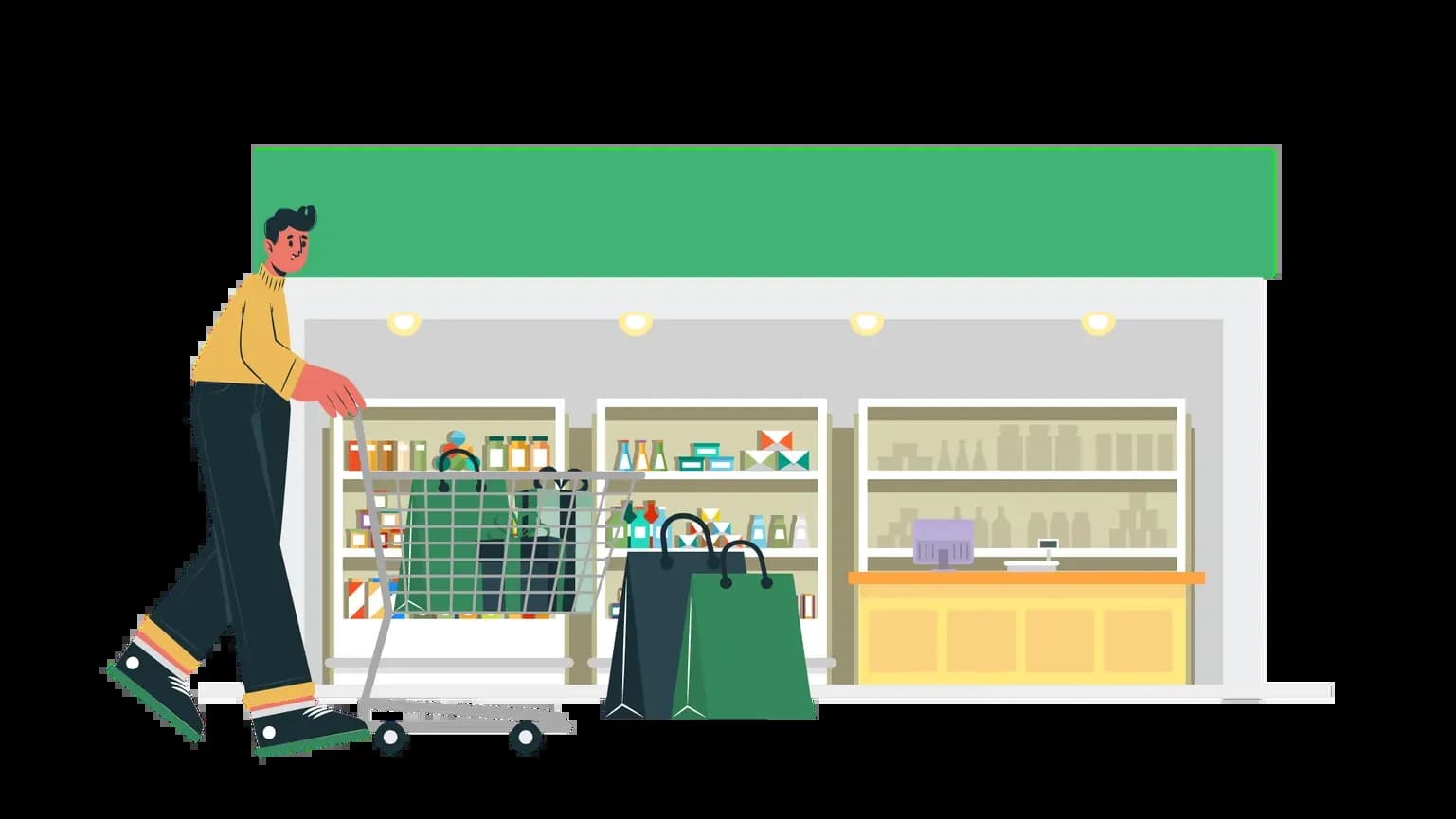
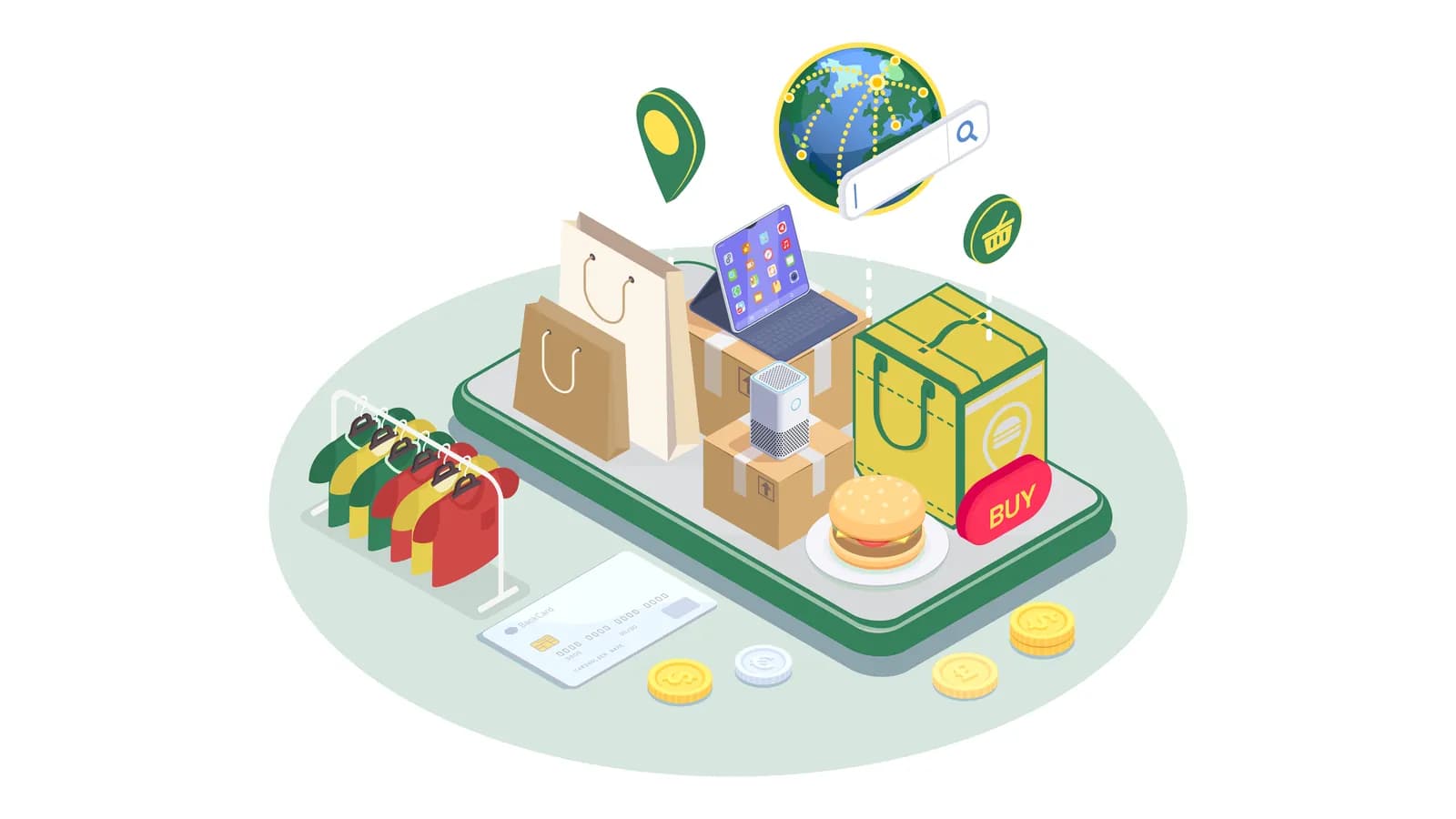
Retail is the activity of selling goods or services directly to end consumers for their own use, not for resale. The businesses doing it are called retailers — from neighborhood shops and kiosks to minimarkets, supermarkets, and online stores.
Retail is the last stop in the supply chain: this is where products from manufacturers, distributors, and wholesalers finally meet consumers.
Where does retail sit in the supply chain?
The typical flow is manufacturer → distributor → wholesaler → retailer → consumer. Not every product passes through every tier; many modern retailers buy directly from distributors or manufacturers.
| Party | Buys from | Sells to | Volume |
|---|---|---|---|
| Distributor | Manufacturer | Wholesalers & retailers | Very large |
| Wholesaler | Manufacturer/distributor | Retailers | Bulk |
| Retailer | Wholesaler/distributor | End consumers | Small units |
Learn more in What Is Wholesale? and What Is a Distributor?.
What types of retail are there?
By product
- Product retail — selling physical goods.
- Service retail — selling services, such as salons or repair shops.
- Non-store retail — selling without a fixed store, such as vending machines or direct selling.
By ownership
- Independent retailers — owned and run by individuals or families.
- Franchises — using the franchisor's brand and system.
- Corporate chains — many outlets owned by one company.
By location
Commercial areas such as markets and shophouses, shopping centers, and neighborhood stores.
By sales channel
Offline through physical stores, online through websites, marketplaces, or apps, and omnichannel combining both.
By format: general trade and modern trade
In Indonesia, manufacturers and distributors most often split retail into:
- General trade (GT) — traditional retail: kiosks, neighborhood shops, markets. Very numerous and scattered, usually served by salespeople or van sales.
- Modern trade (MT) — standardized retail: minimarkets, supermarkets, hypermarkets. Purchasing is more centralized and display and promotion compliance matters.
What do retailers do in the supply chain?
- Connect wholesalers or distributors with consumers.
- Make products accessible — close to consumers, in the quantities they need.
- Promote products through displays, pricing, and in-store programs.
- Provide market information to manufacturers: consumer preferences, demand, prices, and competing products.
- Carry part of the stock risk at store level.
How do manufacturers and distributors manage thousands of retailers?
- Recorded field visits: in-store stock, market prices, and planogram compliance on every visit — with Advotics Field Team.
- Loyalty programs and self-service ordering so retailers stay loyal and reorder easily — with Advotics Retailer.
- Integrated orders, deliveries, and invoices per store — with Advotics Distribution.
See also how Advotics supports consumer goods companies. Want to reach your retailers more effectively? Contact the Advotics team.
Frequently asked questions
What is retail?
Retail is the activity of selling goods or services in small quantities directly to end consumers for their own use.
What is a retailer?
A retailer is a business that sells to end consumers — for example a neighborhood shop, convenience store, supermarket, or online store — usually buying its stock from wholesalers or distributors.
What is the difference between general trade and modern trade?
General trade is the traditional retail channel of small shops, kiosks, and markets, usually served by salespeople or van sales. Modern trade is standardized, chain-based retail such as minimarkets, supermarkets, and hypermarkets.
What does a retailer do for manufacturers?
Retailers put products within easy reach of consumers, support in-store promotion, and provide information about demand, consumer preferences, prices, and competing products.