What Is CRM? Customer Relationship Management Explained: Benefits and Who Uses It
CRM (customer relationship management) is a strategy and software for managing customer relationships. Learn its benefits, who uses it, and CRM for B2B.
By Tim Advotics · · Updated · 2 min read
Key takeaways
- CRM (customer relationship management) combines strategy and software to manage relationships with customers and prospects, so sales and loyalty grow.
- CRM software keeps customer data, interaction history, leads, complaint tickets, and campaigns on one platform the team can access.
- Key benefits: better customer relationships, less manual work, visible sales performance, team collaboration, and higher revenue.
- In distribution, B2B CRM focuses on relationships with stores and retailers — including loyalty programs, self-service ordering, and complaint tickets.
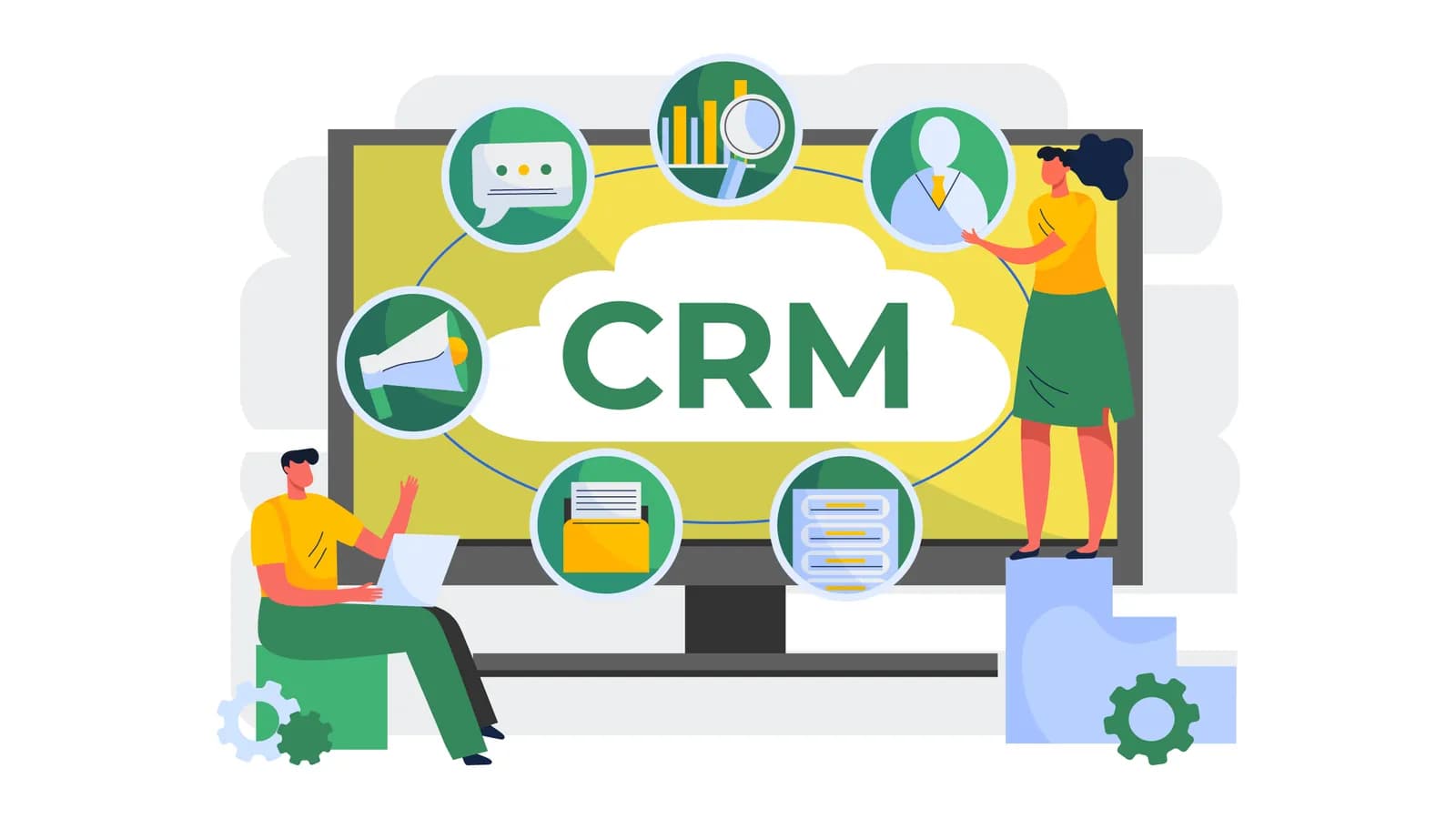
CRM (customer relationship management) combines strategy and software to manage relationships with customers and prospects, with the aim of growing sales and retaining customers. It works by collecting as much information as possible about customer needs and behavior, then using it to deliver better-targeted service and offers.
Why do businesses need CRM?
Without CRM, sales teams commonly struggle with:
- Time lost to admin — hunting for and reconciling notes spread across notebooks and personal laptops.
- Lost customer information — forgotten follow-ups and unrecorded purchase history, especially when a salesperson leaves.
- Disconnected interactions — customers reach out by phone, chat, or email, but the history isn't linked.
- Hard-to-measure performance because activity isn't recorded.
What are the benefits of CRM?
- Better customer relationships and more leads. Customer data lives in one place, so needs and buying trends are easy to understand.
- Less manual work. Record keeping, follow-up reminders, and routine communication can be automated; data stays safe even when staff change.
- Visible sales performance. Each lead's status, interaction history, and every salesperson's activity are clear.
- Stronger collaboration. Sales, marketing, and service teams work from the same data.
- Higher revenue. Up-selling and cross-selling can happen at the right time, with service tailored to customer needs.
Who uses CRM?
| User | What they get |
|---|---|
| Sales team | Detailed records of leads and customers |
| Marketing team | Insight into customer segments and campaign execution |
| Customer service | Full complaint history, so customers don't have to repeat themselves |
| Management | Pipeline visibility, priorities, and sales forecasts |
How does CRM work in B2B and distribution?
In distribution, the "customers" are thousands of stores and retailers, not individual consumers. B2B CRM for distribution therefore focuses on:
- Retailer loyalty programs — points from purchases or product displays that can be exchanged for rewards.
- Self-service ordering — stores order directly from an app, and orders go to the distributor.
- Campaigns by region and time — promotions tailored to store locations.
- Complaint tickets — store complaints recorded and handled through to resolution.
How does Advotics help with retailer relationships?
Advotics Retailer (Advocate Relationship Management) provides loyalty programs, self-service ordering, campaigns, and complaint tickets in one app for retailers. Visit and order data from salespeople is recorded in Advotics Field Team, and loyalty points can also be awarded through QR scans on the packaging with Advotics Product ID.
Learn about the role of retailers in the supply chain in What Is Retail?. Want closer, more measurable relationships with your retailers? Contact the Advotics team.
Frequently asked questions
What is CRM?
CRM, or customer relationship management, is both a business strategy and software for managing data and interactions with customers and prospects, with the aim of growing sales and retaining customers.
What are the benefits of CRM?
CRM helps build relationships and grow leads, reduces manual work, tracks sales team performance, strengthens collaboration between teams, and increases revenue through well-timed up-selling and cross-selling.
Who uses CRM?
Sales teams to manage leads and customers, marketing teams for campaigns, customer service teams to handle complaints, and management to monitor the pipeline and forecast sales.
How is B2B CRM for distribution different from regular CRM?
B2B CRM for distribution focuses on relationships with stores and retailers rather than individual consumers — for example retailer loyalty programs, self-service ordering by stores, regional campaigns, and store complaint tickets.