What Is a Distributor? Definition, Functions, Types, and Must-Have Skills
A distributor buys goods from manufacturers and resells them to wholesalers, retailers, or business customers. Learn a distributor's functions, types, and role.
By Tim Advotics · · Updated · 4 min read
Key takeaways
- A distributor buys goods from manufacturers in bulk and resells them to wholesalers, retailers, or business customers in a defined territory.
- Distributors take ownership of the goods and carry the stock risk — unlike agents, who sell on the manufacturer's behalf.
- A distributor's core functions are purchasing, warehousing, selling, delivering, and collecting payments from its store network.
- Key distributor skills: logistics management, customer relationships, price negotiation, and marketing into new territories.
A distributor is a company that buys goods from manufacturers in bulk, then stores, sells, and delivers them to wholesalers, retailers, or business customers in a defined territory. Distributors bridge the factory and the market: without them, a manufacturer would have to serve thousands of stores on its own.
This article covers what a distributor is, how it differs from agents and wholesalers, its functions and types, and the skills a distributor needs to stay competitive.
What is a distributor?
A distributor is an intermediary in the distribution channel. Unlike a simple "reseller", a distributor buys and owns the goods it distributes — which means it carries the stock risk. Unsold, damaged, or expired goods are the distributor's problem.
The relationship between distributor and manufacturer is usually governed by a distribution agreement, which may cover the sales territory, targets, pricing, and sometimes a ban on selling competing products.
How is a distributor different from an agent or a wholesaler?
The three are often confused. The key differences are ownership of the goods and position in the supply chain.
| Aspect | Distributor | Agent | Wholesaler |
|---|---|---|---|
| Owns the goods | Yes — buys and owns stock | No | Yes — buys and owns stock |
| Stock risk | Carried by the distributor | Carried by the manufacturer | Carried by the wholesaler |
| Revenue | Margin between buy and sell price | Commission from the manufacturer | Margin between buy and sell price |
| Relationship with manufacturer | Direct, under an agreement | Direct, represents the manufacturer | Often through a distributor |
| Main customers | Wholesalers, retailers, business customers | Buyers found for the manufacturer | Retailers |
What are the functions of a distributor?
A distributor performs many functions between the manufacturer and the market:
- Purchasing — buying goods from the manufacturer in large volumes.
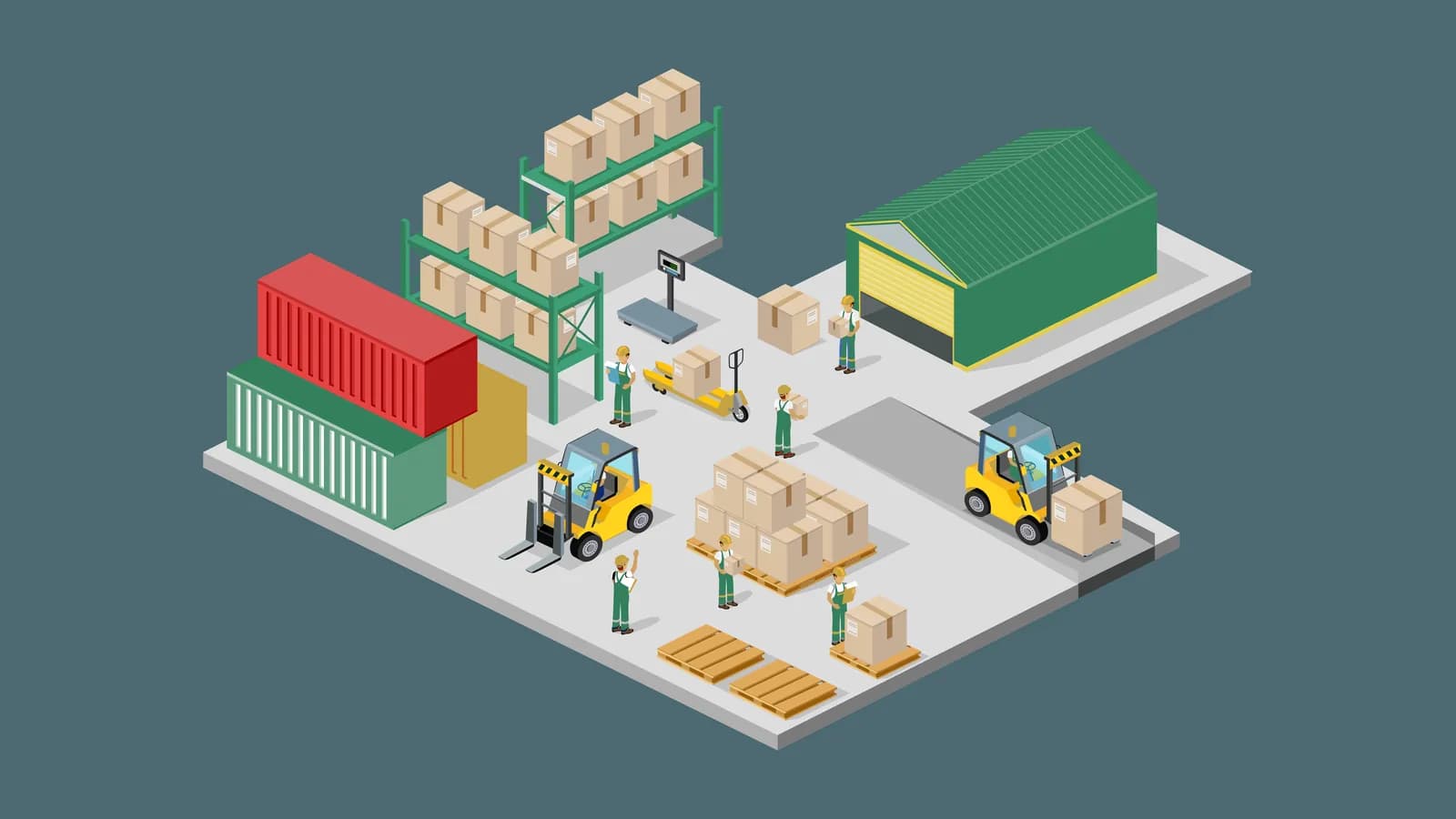
- Warehousing — keeping stock ready to fulfill orders.
- Selling — selling to stores through salespeople, canvassers, or direct orders.
- Delivery — getting goods to every customer on schedule.
- Billing and collection — issuing invoices and collecting payments, including installments.
- Market information — passing sales data, in-store stock, and market conditions back to the manufacturer.
For manufacturers, these functions keep products reaching consumers. For stores and consumers, distributors make products easy to get.
What types of distributors are there?
By coverage and relationship with the manufacturer, distributors are commonly grouped as:
- Exclusive distributor — the only official distributor of a brand in a territory.
- Main distributor — buys directly from the manufacturer and supplies sub-distributors or wholesalers.
- Sub-distributor — buys from a main distributor to serve a smaller area.
- Industrial distributor — supplies raw materials or capital goods to business customers rather than retail stores.
In multi-tier networks, data from each tier is often scattered. That is why many manufacturers and distributors adopt a Distribution Management System (DMS).
What skills does a distributor need?
Logistics management
Managing stock, warehouses, and deliveries so goods arrive on time builds trust with both the manufacturer and the stores.
Relationship building
For established brands, prices and promotions across distributors are often similar. Strong relationships with stores are what keep customers from switching.
Negotiation
Distributors negotiate on two fronts — the buying price from the manufacturer and the selling price to stores — to keep margins healthy.
Marketing and territory expansion
Growing distributors actively win new stores and expand their territory coverage.
How do distributors run day-to-day operations digitally?
Modern distributors combine two kinds of systems:
- A distribution system for sales orders, stock, delivery orders, and invoicing in one flow — such as Advotics Distribution.
- A field team app for salespeople and canvassers: geo-tagged store check-ins, orders from the field, and in-store stock records — such as Advotics Field Team.
When the two are connected, every store order updates stock, delivery schedules, and invoices automatically — no re-entry. See also how Advotics supports distributors.
Want to see how it works for your business? Contact the Advotics team for a demo.
Frequently asked questions
What is a distributor?
A distributor is a company that buys goods from a manufacturer, stores them, and then sells and delivers them to wholesalers, retailers, or business customers in its distribution territory.
What is the difference between a distributor and an agent?
A distributor buys and owns the goods, so it carries the stock risk and sets its own selling price within the agreement. An agent does not buy the goods; it sells on the manufacturer's behalf and usually earns a commission.
What is the difference between a distributor and a wholesaler?
A distributor usually works directly with the manufacturer and covers a defined territory, while a wholesaler buys from distributors or manufacturers to resell in bulk to retailers.
Why do distributors need a digital system?
Distributors handle hundreds to thousands of transactions — orders, stock, deliveries, and invoices — every day. A Distribution Management System brings these processes together so data isn't scattered across spreadsheets and chats.