Good Manufacturing Practices (GMP): Definition, Principles, Implementation, and Benefits
Good Manufacturing Practices (GMP) keep products safe and consistent. Learn GMP principles, Indonesia's CPPOB and CPOB, how to apply GMP, and its benefits.
By Tim Advotics · · Updated · 3 min read
Key takeaways
- Good Manufacturing Practices (GMP) are guidelines for producing goods consistently, safely, and to quality standards.
- In Indonesia, GMP has sector-specific names: CPPOB for processed food, CPOB for medicines, and CPKB for cosmetics.
- GMP principles cover people and hygiene, premises, equipment, raw materials, process control, storage and distribution, documentation, and complaints and recalls.
- Benefits: consumer safety, market trust, easier regulatory compliance, and a protected brand.
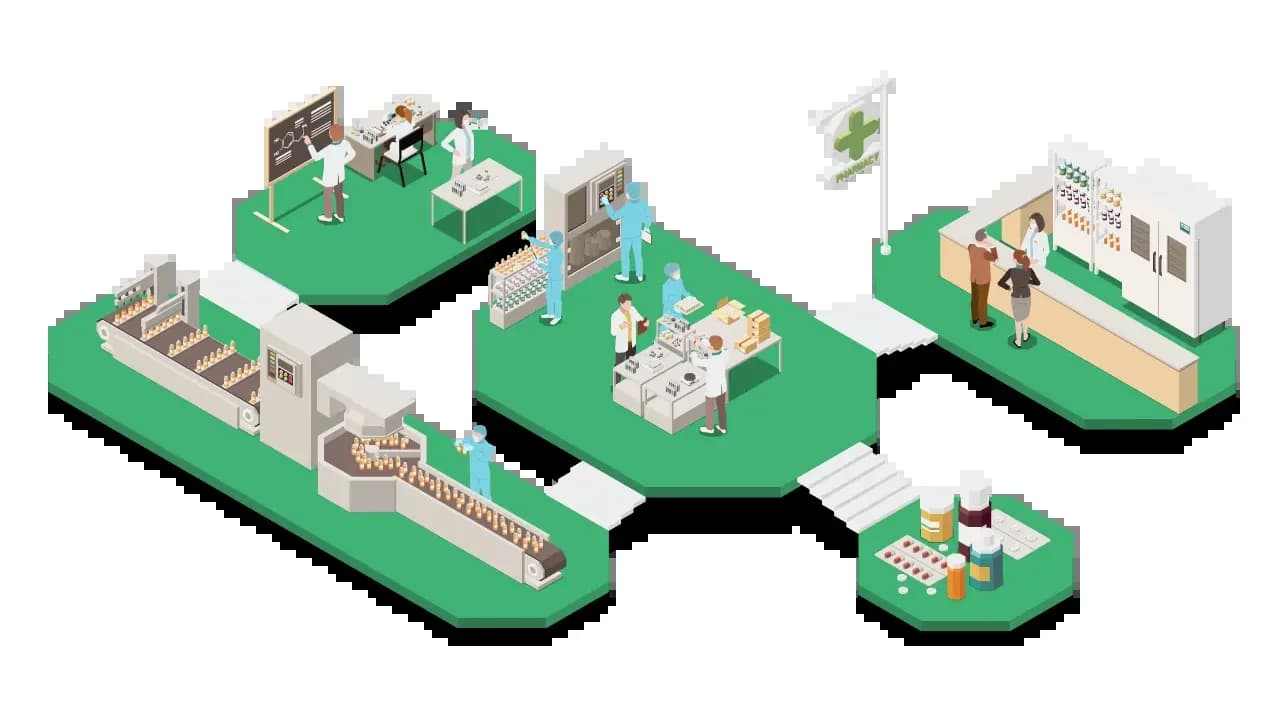
Good Manufacturing Practices (GMP) are guidelines for producing goods so they are consistently made and controlled to quality standards and safe for consumers. GMP prevents biological, chemical, and physical contamination and makes sure every batch leaving the factory meets the same standard.
What is GMP called in Indonesia?
In Indonesia, GMP goes by different names depending on the sector:
| Sector | Term | Stands for |
|---|---|---|
| Processed food | CPPOB | Cara Produksi Pangan Olahan yang Baik |
| Medicines | CPOB | Cara Pembuatan Obat yang Baik |
| Cosmetics | CPKB | Cara Pembuatan Kosmetika yang Baik |
| Medicine distribution | CDOB | Cara Distribusi Obat yang Baik |
For processed food, CPPOB guidelines are set out in, among others, Minister of Industry Regulation No. 75/M-IND/PER/7/2010. Because regulations can be updated, always refer to the latest rules from the relevant authorities such as the Ministry of Industry and BPOM.
What are the principles of GMP?
- Personnel — trained, familiar with procedures, and practicing good hygiene.
- Premises — layout, ventilation, temperature, lighting, and cleanliness that prevent contamination.
- Equipment — designed, maintained, and cleaned so it doesn't contaminate products.
- Raw materials — inspected, stored correctly, and traceable to their source.
- Process control — every production step follows written procedures and quality checks.
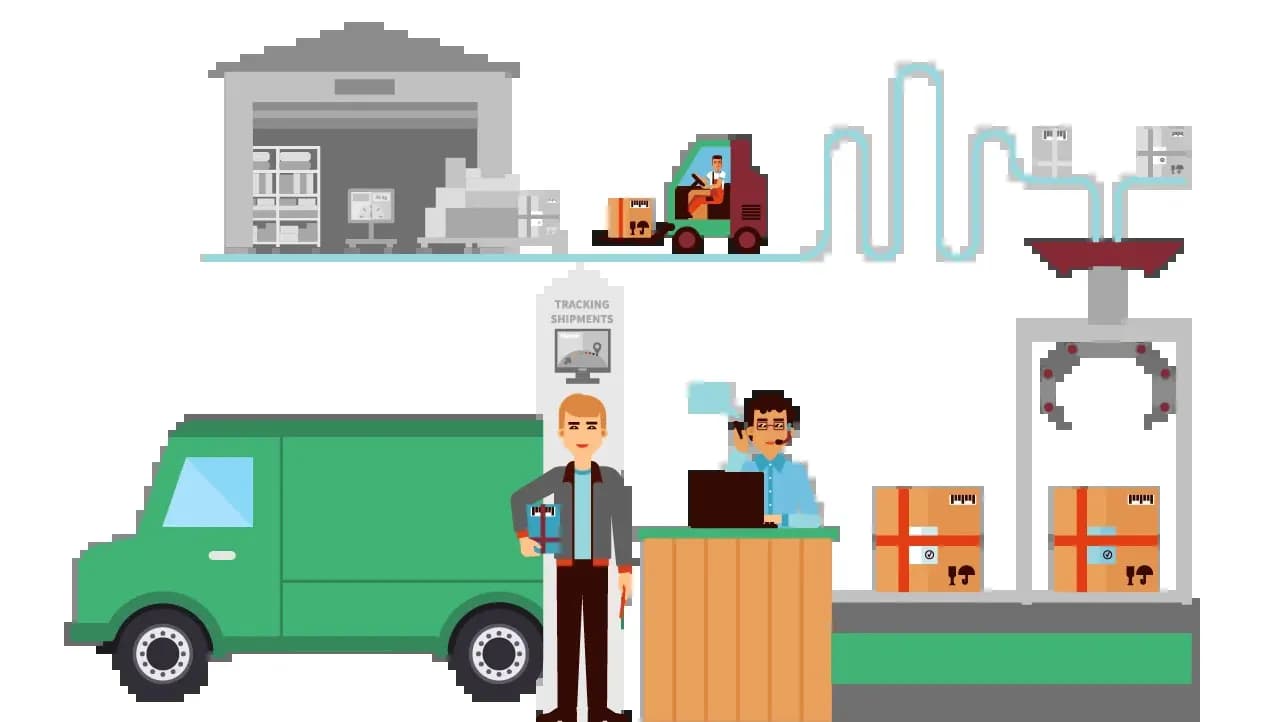
- Storage and distribution — materials and finished goods kept in the right conditions and monitored in transit.
- Documentation — every batch recorded so it can be traced from raw material to finished product.
- Complaints and recalls — procedures to handle complaints and recall faulty products quickly.
How do you implement GMP in a company?
- Build commitment across stakeholders — from owners and leaders to production staff.
- Form a team and appoint a competent lead to drive implementation.
- Set standards and indicators that fit your facilities and product type.
- Write procedures (SOPs) for every critical process and train employees.
- Run regular internal audits to find and fix deviations.
What are the benefits of GMP?
- Consumer safety — products are safe to consume or use.
- Market trust — consumers and partners trust product quality.
- Easier regulatory compliance and product registration.
- Transparent product information — composition, production date, and expiry clearly recorded.
- A protected brand — a single faulty-product case can damage a reputation for years.
How does technology support GMP?
- Batch tracking down to the store. With Advotics Product ID, every item has a unique QR code linked from pallet to individual pack, so products from a faulty batch can be traced and recalled quickly.
- Controlled storage. Advotics Warehouse tracks stock locations down to the bin and supports ordered stock issue — see also inventory management.
- Documented distribution. Every shipment is recorded with its proof of delivery in Advotics Distribution.
See also how Advotics supports manufacturers. Want to protect product quality all the way to the consumer? Contact the Advotics team.
Frequently asked questions
What are Good Manufacturing Practices (GMP)?
Good Manufacturing Practices are guidelines and practices that ensure products are consistently produced and controlled to quality standards, so they are safe for consumers.
What is GMP called in Indonesia?
The term differs by sector: CPPOB (Cara Produksi Pangan Olahan yang Baik) for processed food, CPOB (Cara Pembuatan Obat yang Baik) for medicines, and CPKB (Cara Pembuatan Kosmetika yang Baik) for cosmetics.
What are the principles of GMP?
The core principles are trained and hygienic personnel, suitable premises, well-maintained equipment, control of raw materials and production processes, proper storage and distribution, complete documentation, and procedures for complaints and product recalls.
How does GMP relate to distribution?
Product quality has to be maintained all the way to the consumer, including during storage and shipping. That is why batch records, distribution tracking, and the ability to recall products quickly are an important part of GMP.